Navigating the Bethlehem Property Market: A Local's Guide to Home Buying
@bethlehempropertymarketfacts
October 13, 2026 · 7 min read
I've spent the better part of a decade helping people find homes in Bethlehem, PA, and I can tell you this: the Bethlehem property market is unlike any other in the Lehigh Valley. It's not just about square footage or school ratings, though those matter. It's about the feeling you get walking down Main Street, past the 18th-century buildings, or catching a concert at the SteelStacks. That character comes with a price, but it also comes with a stability that has kept this market resilient through economic ups and downs. If you are thinking about buying here, you need to understand what drives value, where the opportunities are, and how to navigate a market that moves differently than the suburbs to the south.
The Historic Core: Where Charm Meets Competition
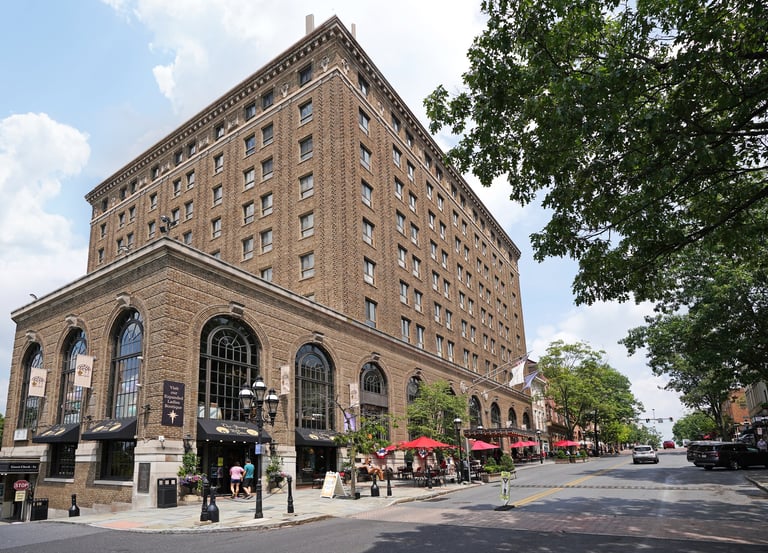
The heart of Bethlehem is its historic district, and it's where the Bethlehem property market shows its most distinctive personality. Homes here range from Federal-style townhouses to Victorian mansions, many built in the 1800s. They come with high ceilings, original woodwork, and the occasional quirk like a hidden staircase or a coal chute. The trade-off is maintenance. Old windows, old plumbing, and old roofs require a buyer who is either handy or willing to pay for specialists. I've seen people fall in love with a soaring front porch only to discover the foundation needs ten grand in work. That's not a dealbreaker, but it's a reality.
Inventory in the historic district is tight. Homes that come on the market often sell within days, sometimes with multiple offers. If you want a three-bedroom row home with off-street parking, you need to be pre-approved and ready to move fast. Prices here have climbed steadily over the past five years, and I don't expect that to change. The appeal is timeless, and the supply is capped by the fact that you can't just build a new Victorian. For buyers who value walkability and architectural integrity, this part of the market offers a premium product.
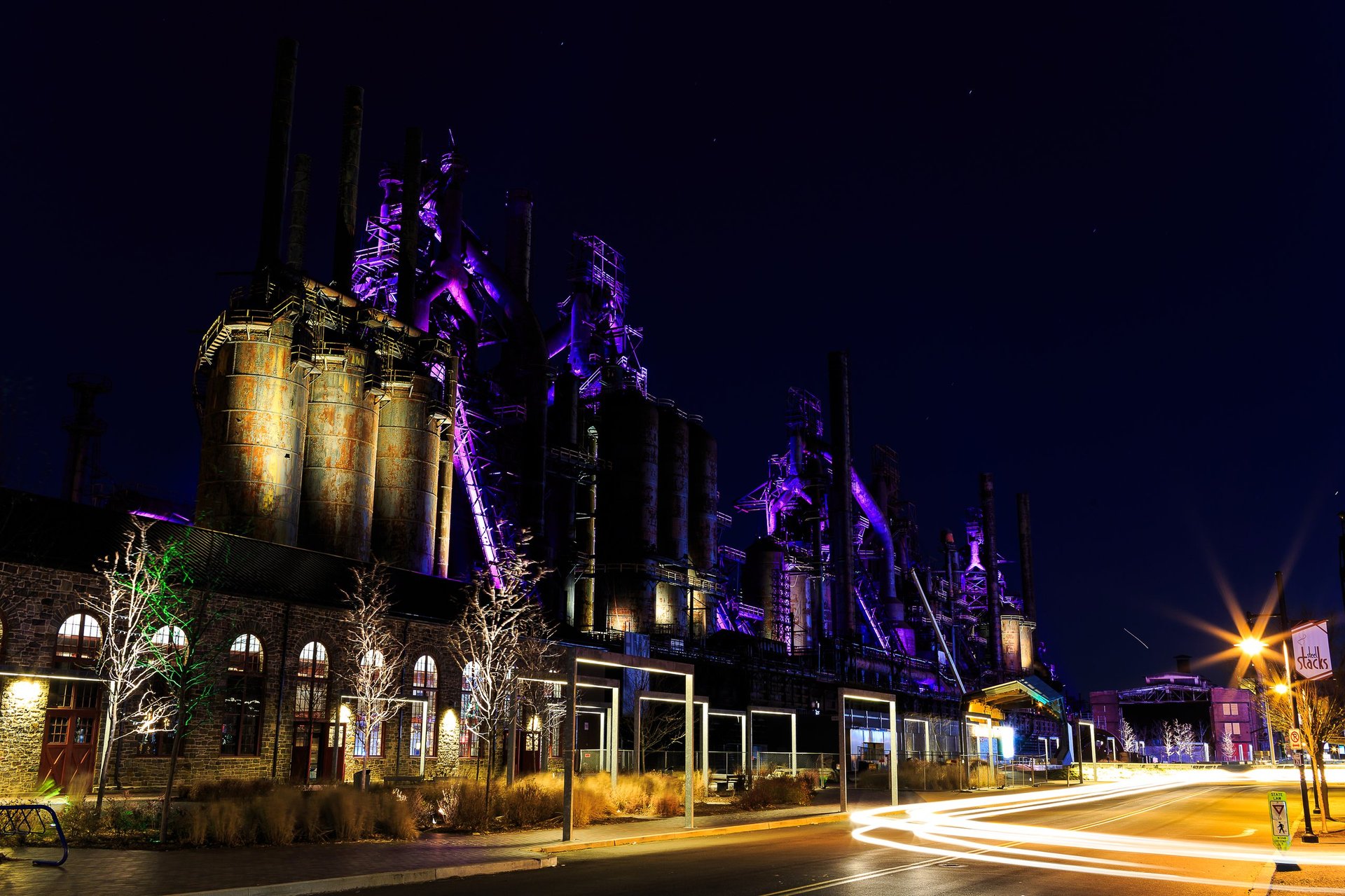
South Side and the SteelStacks Effect
Across the river, the South Side has its own rhythm. Once dominated by Bethlehem Steel, the area has reinvented itself around the arts and a new economy. The SteelStacks campus draws visitors year-round, and that foot traffic has boosted the local restaurant and retail scene. Homes here are more varied: smaller rowhomes, mid-century ranches, and a growing number of new-construction townhouses. Prices are generally lower than North Bethlehem, but the gap is narrowing.
What I notice with South Side buyers is that they are often younger professionals or empty nesters who want access to the cultural amenities without the premium of the historic district. The trade-off is that some streets are still in transition. You might have a beautifully renovated home next to a property that needs work. That's part of the character, but it also means you need to do your due diligence on block-by-block conditions. The Bethlehem property market on the South Side rewards patience and a willingness to look past surface-level imperfections. I've seen buyers get a great deal on a house that needs cosmetic updates, and then add significant equity over three or four years. It's a different strategy than buying in the historic core, but it works.
West Bethlehem and the Suburban Edge
If you want more land, a newer home, or a quieter street, West Bethlehem is where you'll look. This part of the city feels more like a traditional suburb, with larger lots, split-levels, and colonials. The schools are the same, but the commute is different: you're farther from the downtown action, but you're also closer to the highway for an easy trip to Allentown or Philadelphia. Families often gravitate here for the yard space and the lower price per square foot.
One thing I've learned is that West Bethlehem can be a sleeper hit for buyers who are priced out of the historic district. You get more house for your money, and the neighborhoods are stable and well-maintained. The catch is that you need a car for everything. There's no walking to the coffee shop or the farmers market. If that trade-off works for your lifestyle, you can find excellent value. The Bethlehem property market in this area has seen steady appreciation, but it hasn't experienced the same spike as the historic core. That makes it a smart entry point for first-time buyers.
Market Trends and What They Mean for You
Over the past eighteen months, I've watched interest rates climb and inventory remain stubbornly low. That combination has cooled some of the frenzy, but it hasn't crashed prices. Sellers are still getting close to asking, and multiple offers still happen on well-priced homes. What has changed is the buyer's leverage on contingencies. A year ago, you might have had to waive the inspection to compete. Now, you can often include one, especially if the home has been sitting for a few weeks. That's a meaningful shift for buyers who want to protect themselves.
Another trend worth noting is the rise of remote and hybrid work. More people are moving to Bethlehem from New York and Philadelphia, drawn by the lower cost of living and the quality of life. That influx has pushed up demand, particularly for homes with home-office potential or good internet access. If you are selling, that's a plus. If you are buying, it means you are competing with out-of-town cash buyers. I always advise local buyers to get pre-approved and to work with an agent who knows the city's quirks. A good agent can spot a home that's overpriced or a street that's about to turn around, and that knowledge is worth the commission.
Practical Advice for Buyers Right Now
If you are ready to enter the Bethlehem property market, here are a few things I've seen work well:
- Get your financing in order before you start looking. A pre-approval letter from a local lender carries more weight than one from an online bank.
- Be realistic about what you can afford in the historic district. If a fixer-upper scares you, look at the South Side or West Bethlehem instead.
- Attend open houses even if you think you aren't ready. You'll learn what different price points actually look like, not just what Zillow shows.
- Don't skip the home inspection. In an older city like Bethlehem, hidden issues are common, and an inspection can save you from a money pit.
- Consider the long-term resale value. Even if you plan to stay for years, buy a home that will appeal to future buyers. Avoid weird layouts or properties on super busy streets.
The Role of Local Events and Community
One aspect of the Bethlehem property market that doesn't show up on a spreadsheet is the community calendar. Christkindlmarkt in December, Musikfest in August, and the weekly farmers market on Main Street all add to the desirability of living here. Buyers often tell me they chose Bethlehem because it feels alive. That's not just marketing speak. When you can walk to a festival or hear live music from your porch, the home becomes more than a shelter. It becomes a gathering place. That intangible value has kept prices steady even during downturns. I've seen people pay a premium for a home within a block of the greenway, and I understand why. Access to that lifestyle is hard to quantify, but it matters.
Final Thoughts on Timing
There's no perfect time to buy, but there are better and worse strategies. If you wait for prices to drop significantly, you might wait forever. Bethlehem's housing market has historically been stable, not volatile. The best approach is to buy when you are financially ready and when you find a home that meets your needs. Trying to time the bottom of the market is a fool's errand, especially in a city with such limited inventory. I tell my clients to focus on what they can control: their budget, their loan terms, and their willingness to act when the right property appears.
The Bethlehem property market rewards those who do their homework and move with confidence. It's a market with deep roots and a bright future. Whether you are buying your first home or your last, you can find something special here. You just have to know where to look and what to compromise on. That's the real secret. No market is perfect, but this one comes closer than most if you understand its character.